

Call Beckley Cardiology
Heart Care Close to Home
Whether you're experiencing symptoms, managing a heart condition, or focusing on prevention, our team provides personalized cardiovascular care designed to support your long-term heart health.

Personalized Heart Care for Every Stage
Your heart health is unique, and your care should be too. From evaluating new symptoms to managing chronic conditions and reducing future risk, Beckley Cardiology provides comprehensive cardiovascular care close to home.
When Should You See a Cardiologist?
- Chest Pain
- Shortness of Breath
- Heart Palpitations
- High Blood Pressure
- Family History of Heart Disease
- Diabetes or Other Risk Factors
- Previous Heart Conditions
- Need for Cardiac Testing
Heart Conditions We Help Manage
Every patient's heart health journey is different. We provide comprehensive evaluation, treatment, and ongoing management for a wide range of cardiovascular conditions, helping you receive the care that's right for you.
Chest pain and heart symptoms: Evaluation to help determine whether symptoms may be heart-related and what testing or treatment may be appropriate.
Coronary artery disease: Care for plaque buildup, blocked arteries, heart attack risk, and long-term prevention.
Heart failure: Monitoring, medication management, symptom guidance, and connection to our outpatient heart failure program when appropriate.
High blood pressure: Diagnosis, medication management, and long-term monitoring to reduce risk to the heart, kidneys, and blood vessels.
High cholesterol: Risk assessment and treatment planning to help reduce the chance of future cardiovascula revents.
Palpitations and rhythm concerns: Evaluation and monitoring for irregular heartbeat, racing heart, skipped beats, and related symptoms.
Preventive heart care: Risk-based care designed to identify problems earlier and help patients protect long-term heart health.
Answers Start Here
Testing and Evaluation
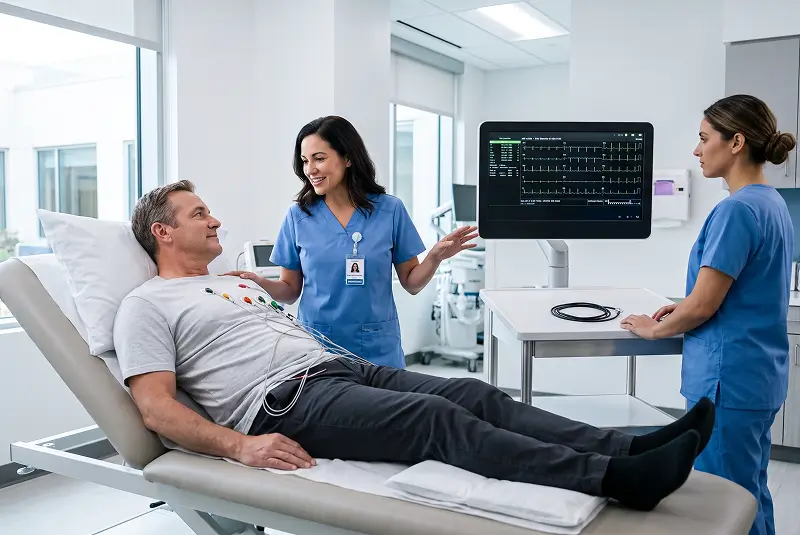
Cardiology care often begins with a conversation about symptoms, medical history, risk factors, and goals. Depending on your situation, your physician may recommend testing to better understand your heart health.
- EKG or heart rhythm assessment
- Echocardiogram
- Stress testing
- Holter or heart monitoring
- Cardiac CT imaging
- Ultrasound or vascular testing when appropriate
- Lab testing and risk factor review
Advanced Cardiac CT
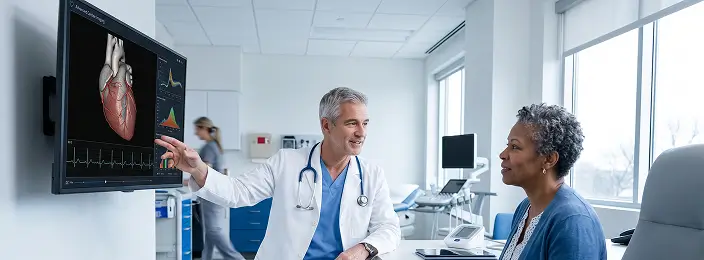
One of the major advantages of the new Beckley Cardiology facility is access to Advanced Cardiac CT Imaging. This outpatient test can help evaluate coronary artery disease, plaque buildup, and risk factors in a prevention-focused way.
For selected patients, Cardiac CT can provide detailed information that helps guide personalized next steps in care.
A Prevention-First Philosophy
Our goal is not only to treat heart disease after it becomes serious. Our goal is to help patients understand risk earlier, make informed decisions, and receive care before symptoms become a crisis.
- Know your risk: Understand the factors that affect your heart health.
- Get the right testing: Use diagnostic information to guide care.
- Build a plan: Use medications, lifestyle recommendations, monitoring, and follow-up to reduce risk.
- Stay connected: Continue care with a team that knows your history.

be aware of the signals
A Prevention-First Philosophy
Our goal is not only to treat heart disease after it becomes serious. Our goal is to help patients understand risk earlier, make informed decisions, and receive care before symptoms become a crisis.

Know your risk
Understand the factors that affect your heart health.

Get the right testing
Use diagnostic information to guide care.

Build a plan
Use medications, lifestyle recommendations, monitoring, and follow-up to reduce risk.

Stay connected
Continue care with a team that knows your history.
Take the next step in your heart care.
If you have symptoms, risk factors, or questions about your heart health, Beckley Cardiology can help you understand your options.
This website is not for medical emergencies. If you are experiencing chest pain, severe shortness of breath, stroke symptoms, fainting, or another medical emergency, call 911 or go to the nearest emergency department.